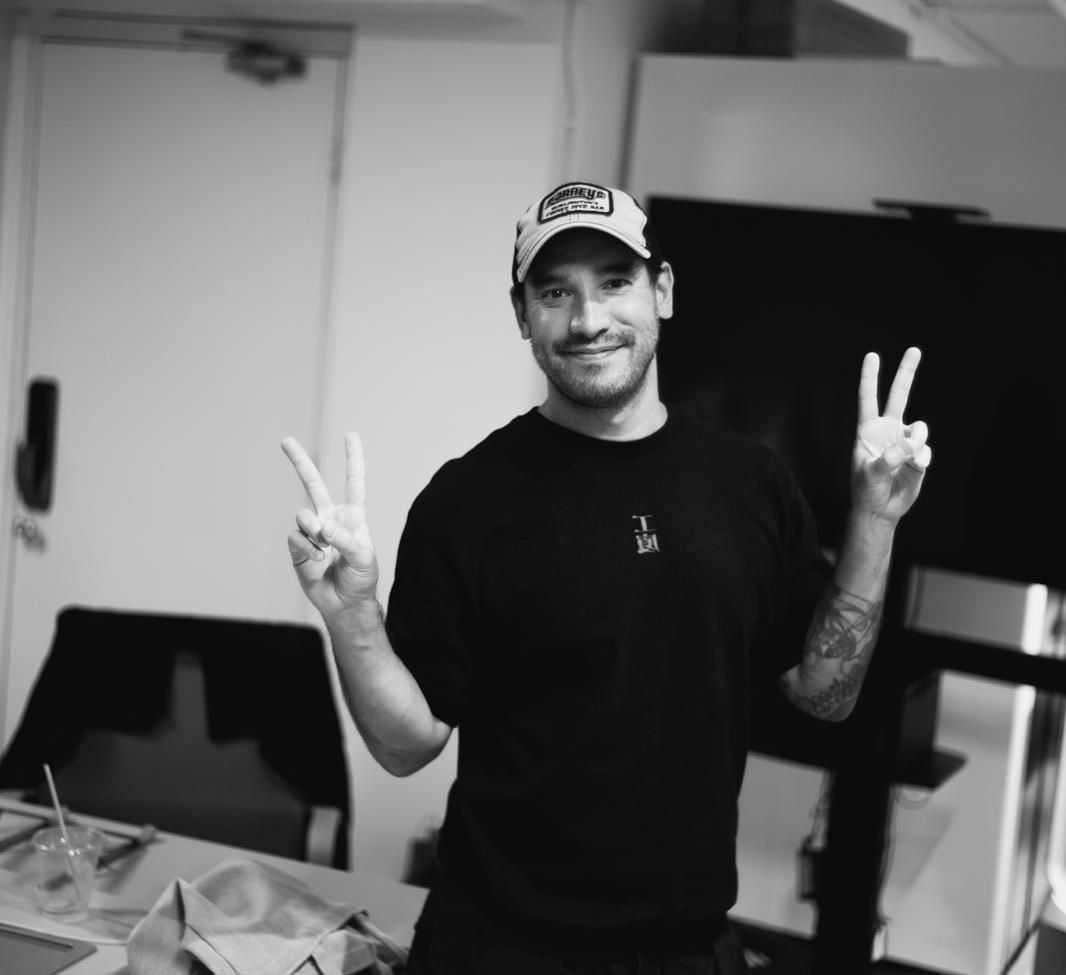
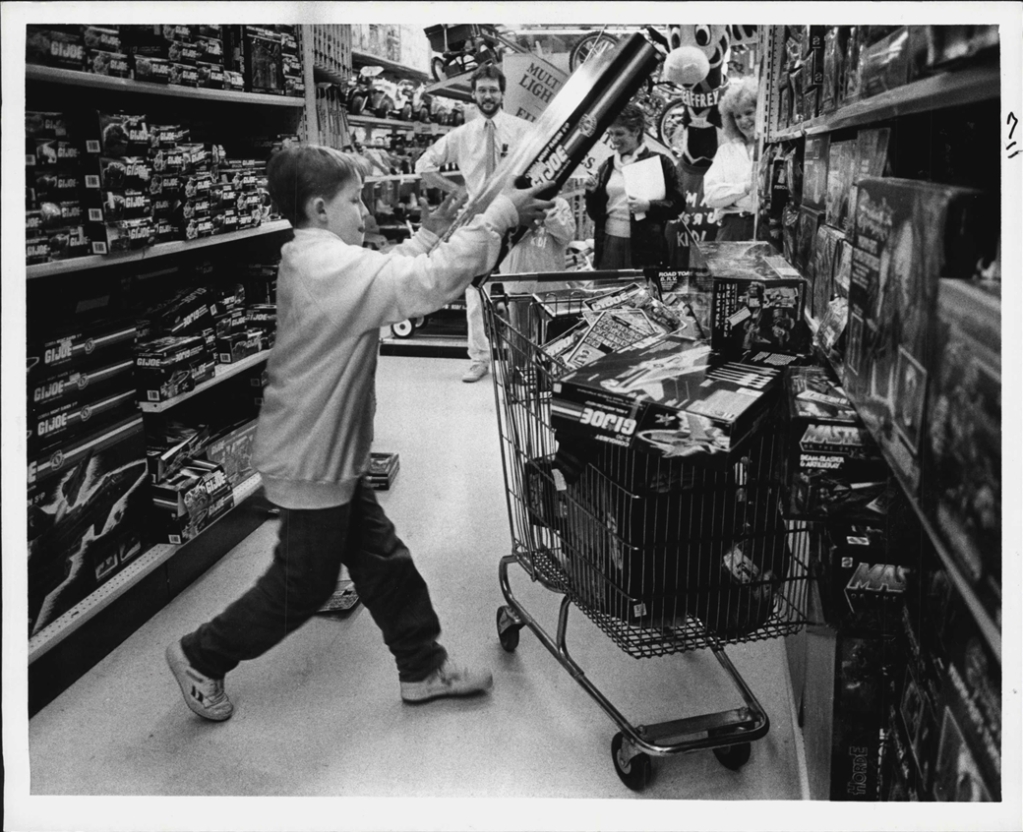
I was born and raised in Hong Kong, was around during the Handover in ’97, saw from afar the 2019 riots and the subsequent global lockdown—I had moved to the States by then—and have since returned home. For as long as I’ve lived in this city, one thing has consistently gotten me out of bed: where am I going to eat today? For someone growing up here, that question is like asking “what do you want?” to a kid at a toy shop with unlimited funds.
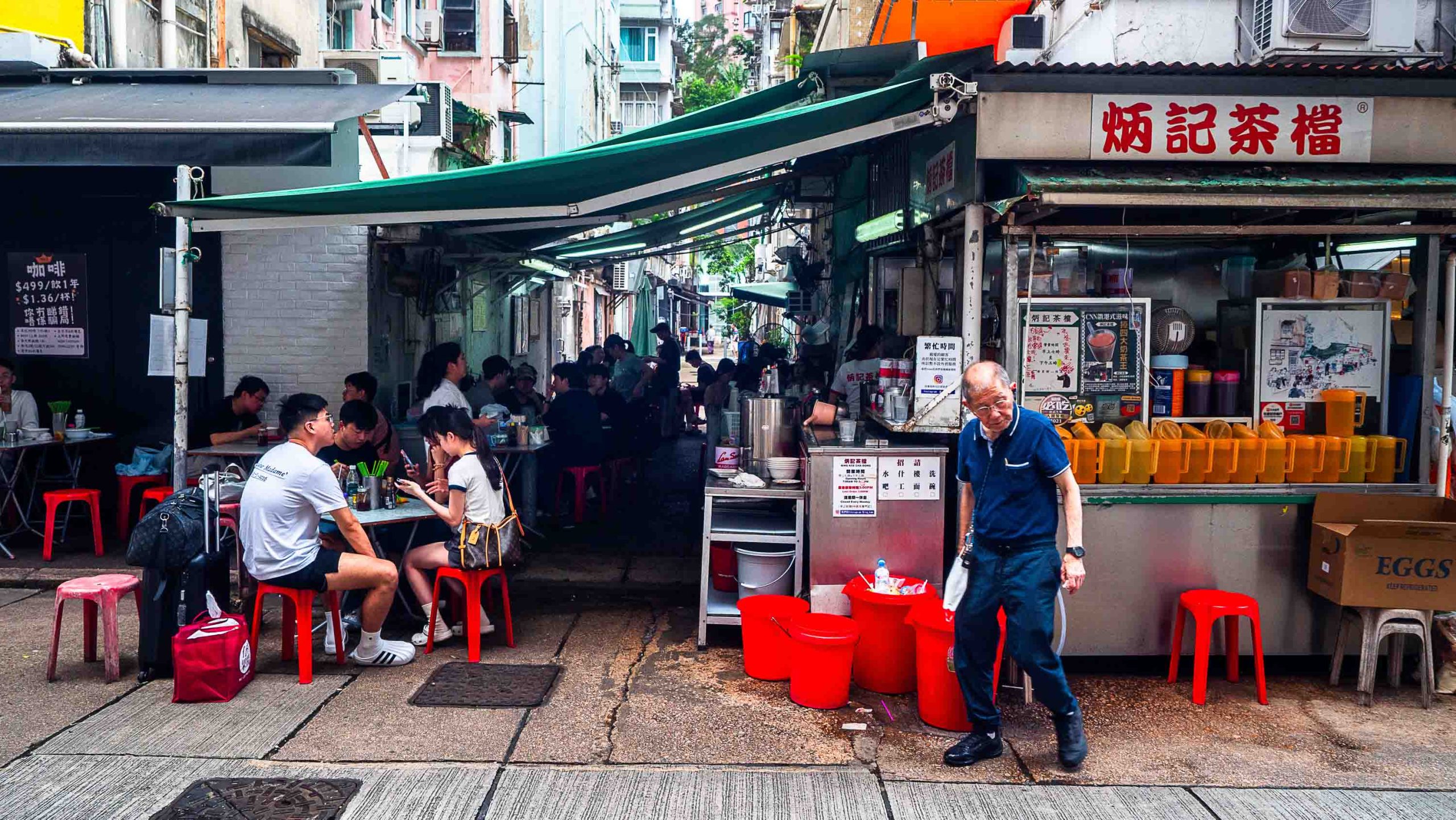
There are approximately 17,500 licensed restaurants, cafés, and bars in this small city. That’s around 1 restaurant per 415 people (from what Google told me). On paper, that might not seem like a lot, but trust me, walk down most of the streets here and you’ll be spoiled for choice. Well, that used to be the case. Don’t get me wrong, HK still has a myriad of spots to eat and drink, but one of the biggest changes I noticed after moving back here over a year ago now is that it’s nowhere near as much as it used to be.
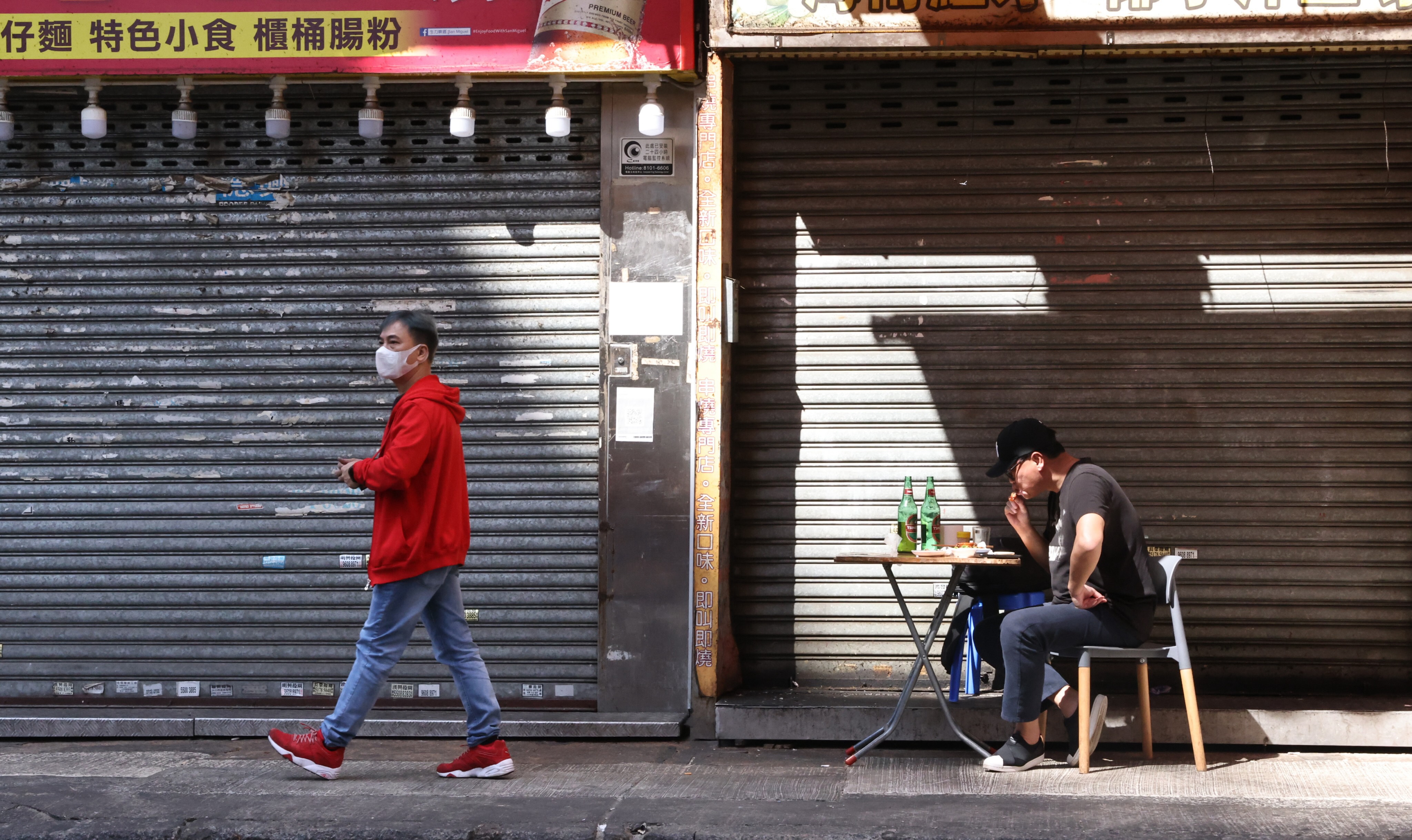
It’s not desolate, but the once bustling and thriving F&B scene that HK was so famous for has definitely dampened. And so, I asked, “Where is everyone? Why am I only waiting a minute now to get in and not the usual hour? This feels weird…” Everyone’s response: “We’re all going up to China to eat now.” Look, I’m all up for a food-centric road trip, but for people to migrate en masse—or the “weekend exodus,” as some people are putting it—feels unusual and a clear sign of HK’s economic state. But, simply put, it’s much cheaper to eat in China than in HK. The portions are bigger, and the service can arguably be seen as better (if you’re not into HK’s iconic snarkiness).
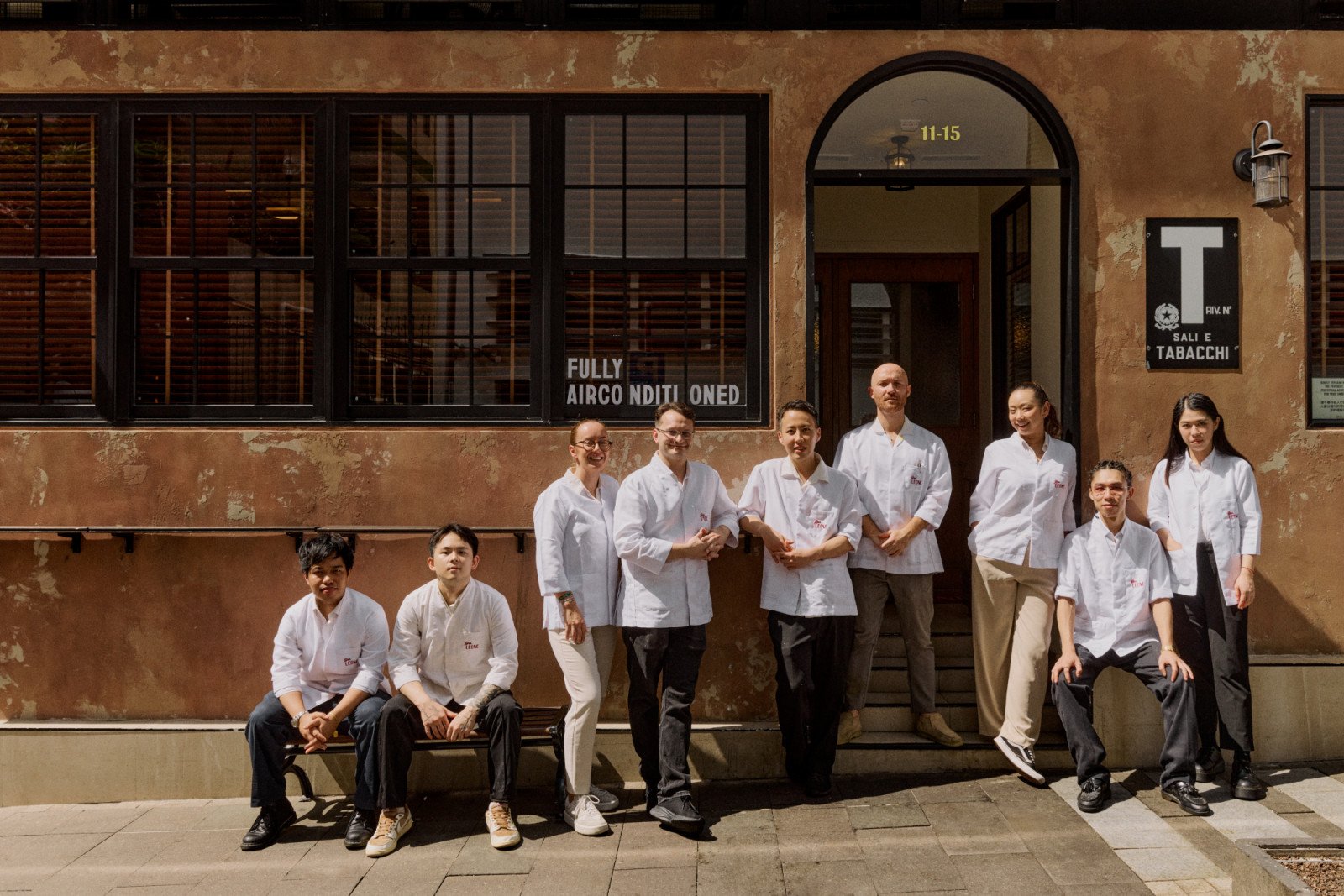
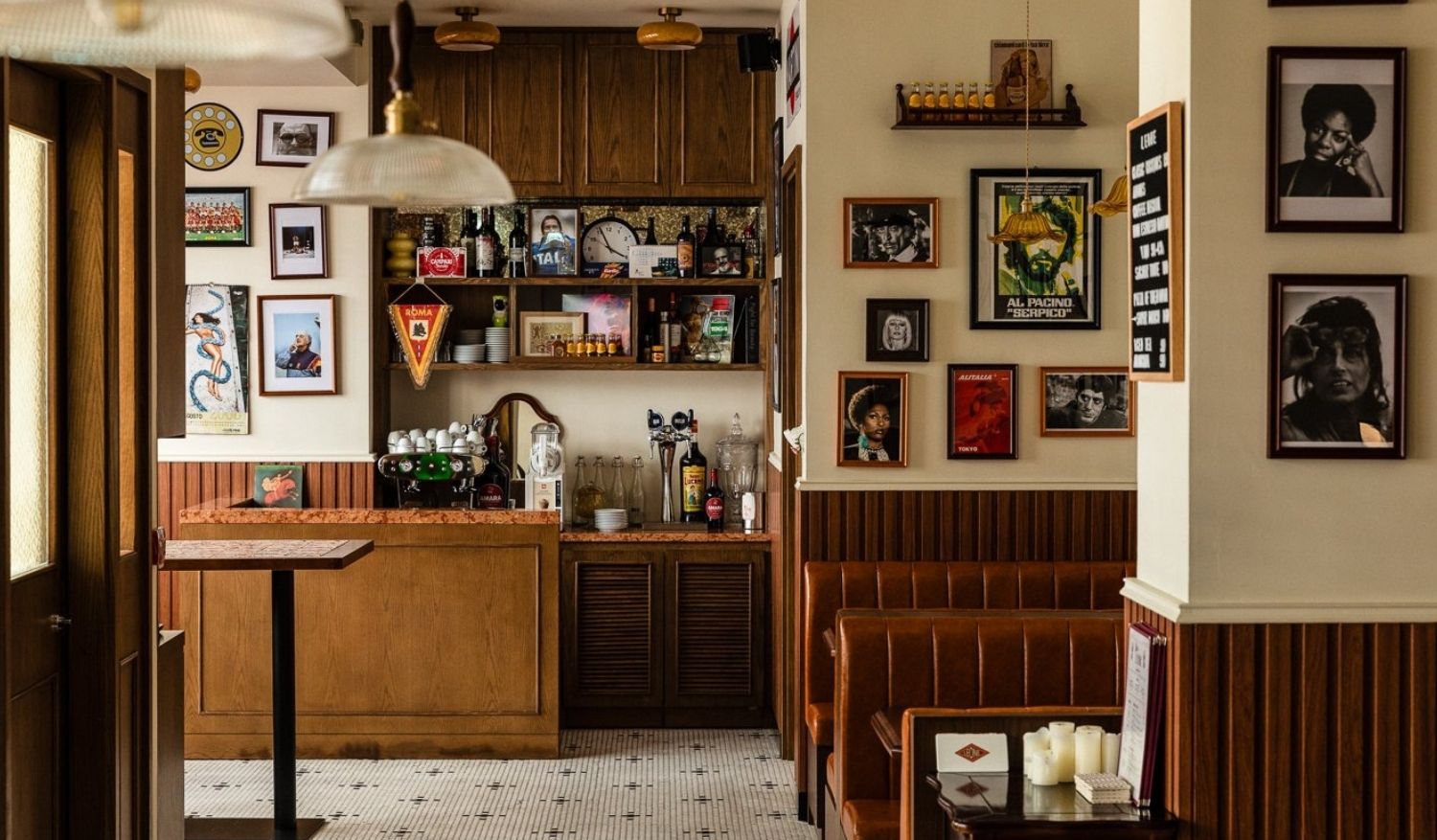
So, when I heard that Bar Leone, the world’s number-one–ranked bar, was “moving to Shanghai,” my heart sank. Turns out I was being presumptuous. They weren’t moving, but expanding, which means I still get to enjoy having too many of their dirty martinis with their unmatched mortadella focaccia sandwich—my definition of the sin of gluttony. But also, why Shanghai? “We love the city and its vibrant F&B scene. We have lots of friends within the community as well, which made the decision easier,” Lorenzo Antinori, the co-founder and mixologist at Bar Leone (and the recently opened Cuban-inspired Montana bar), told me when I asked about the move.
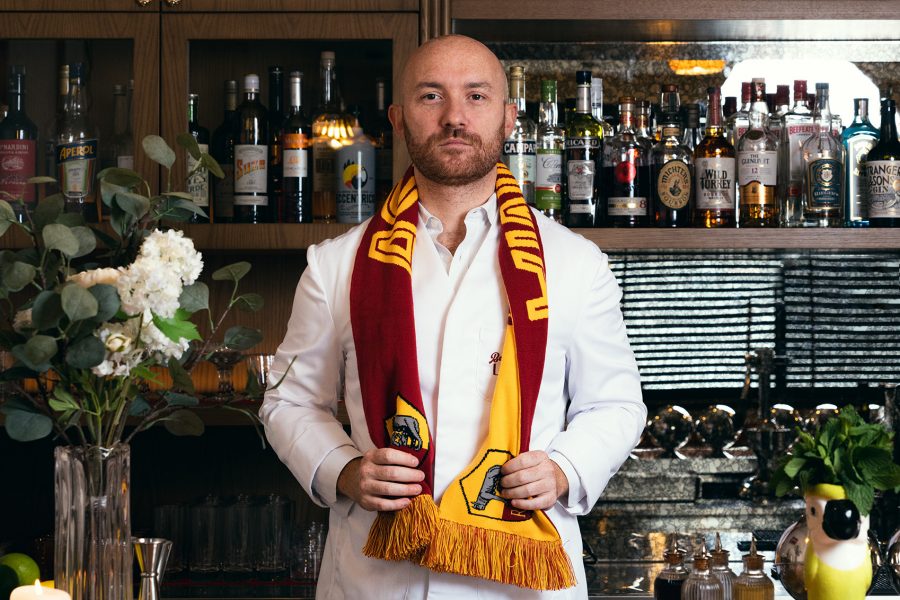
Naturally, I wanted to know what the differences—and similarities—between the two locations were. “We took the ‘building block’ of Hong Kong and transported it to Shanghai. Made a few adjustments, but 90% of it is Leone HK’s blueprint. It’s been a great learning experience, but I’ve also realized that we have a very strong base from which to start.”
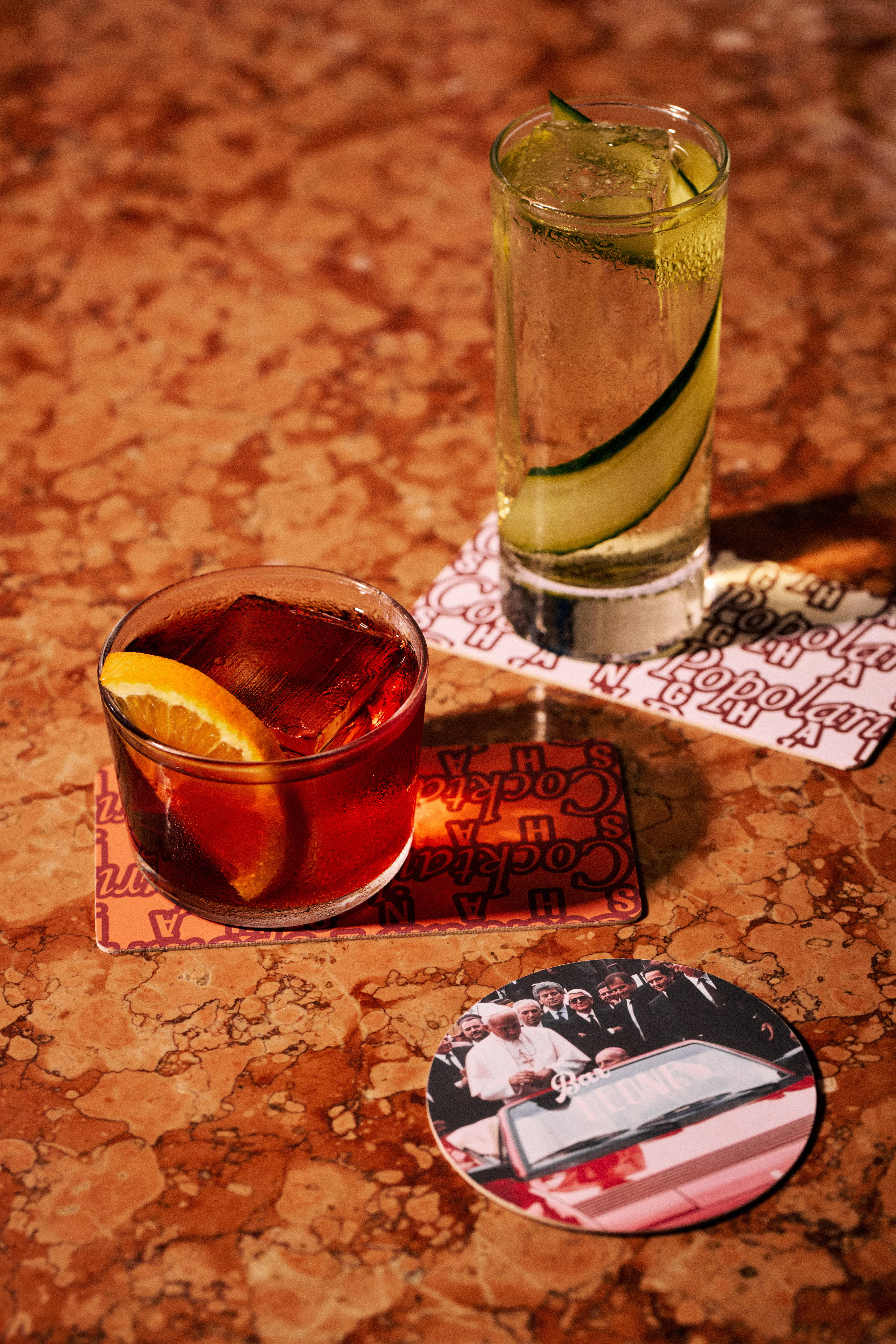
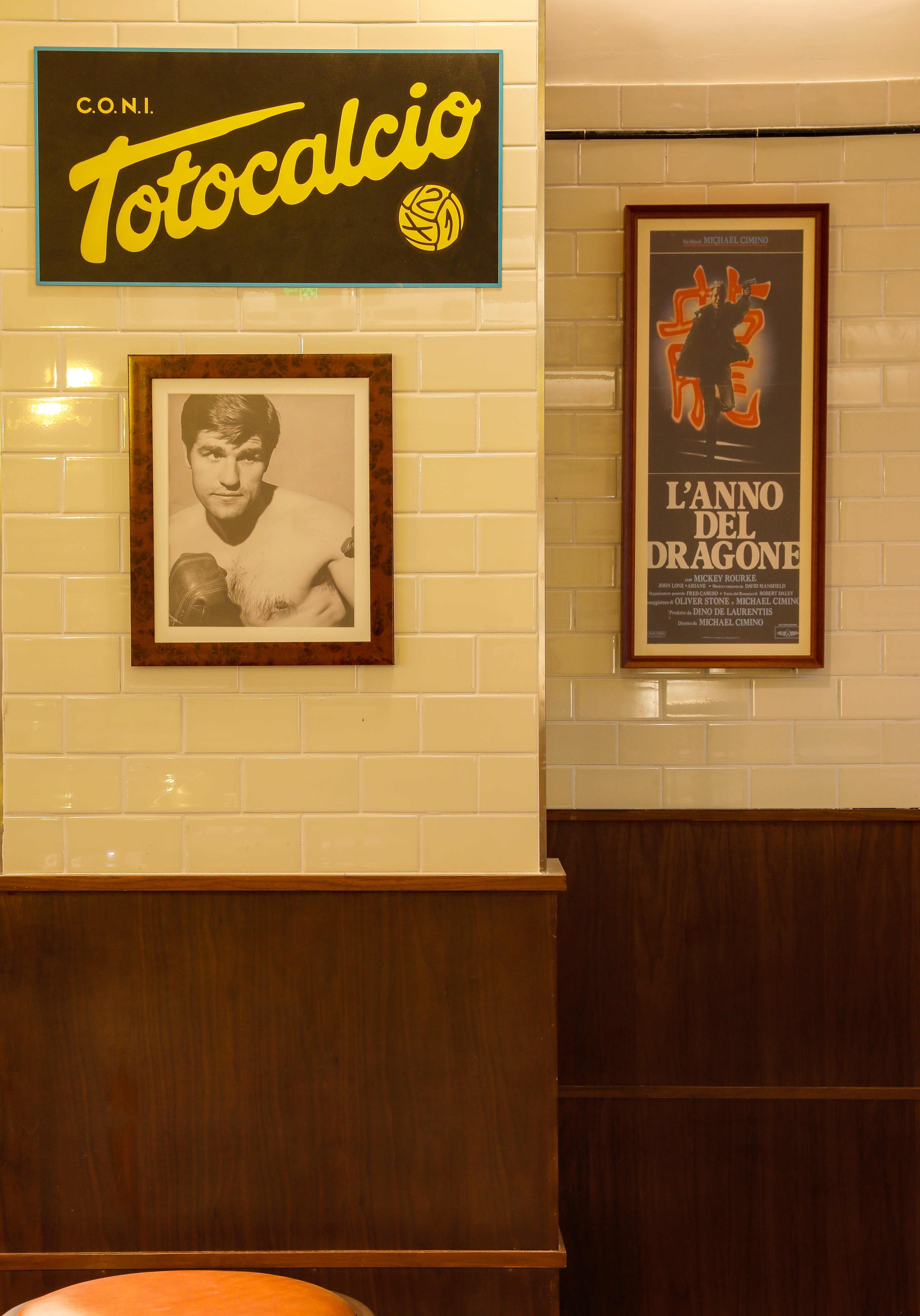
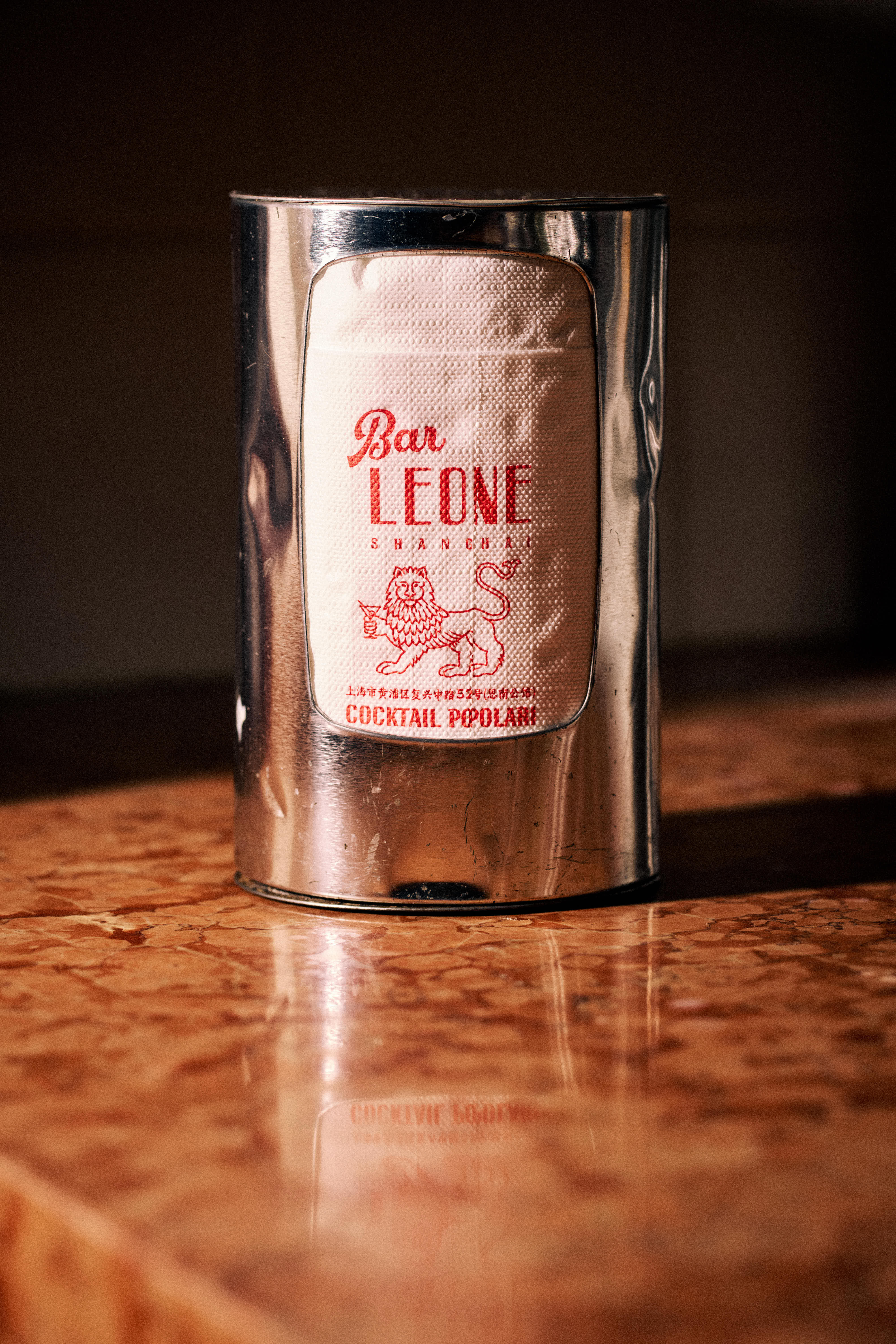
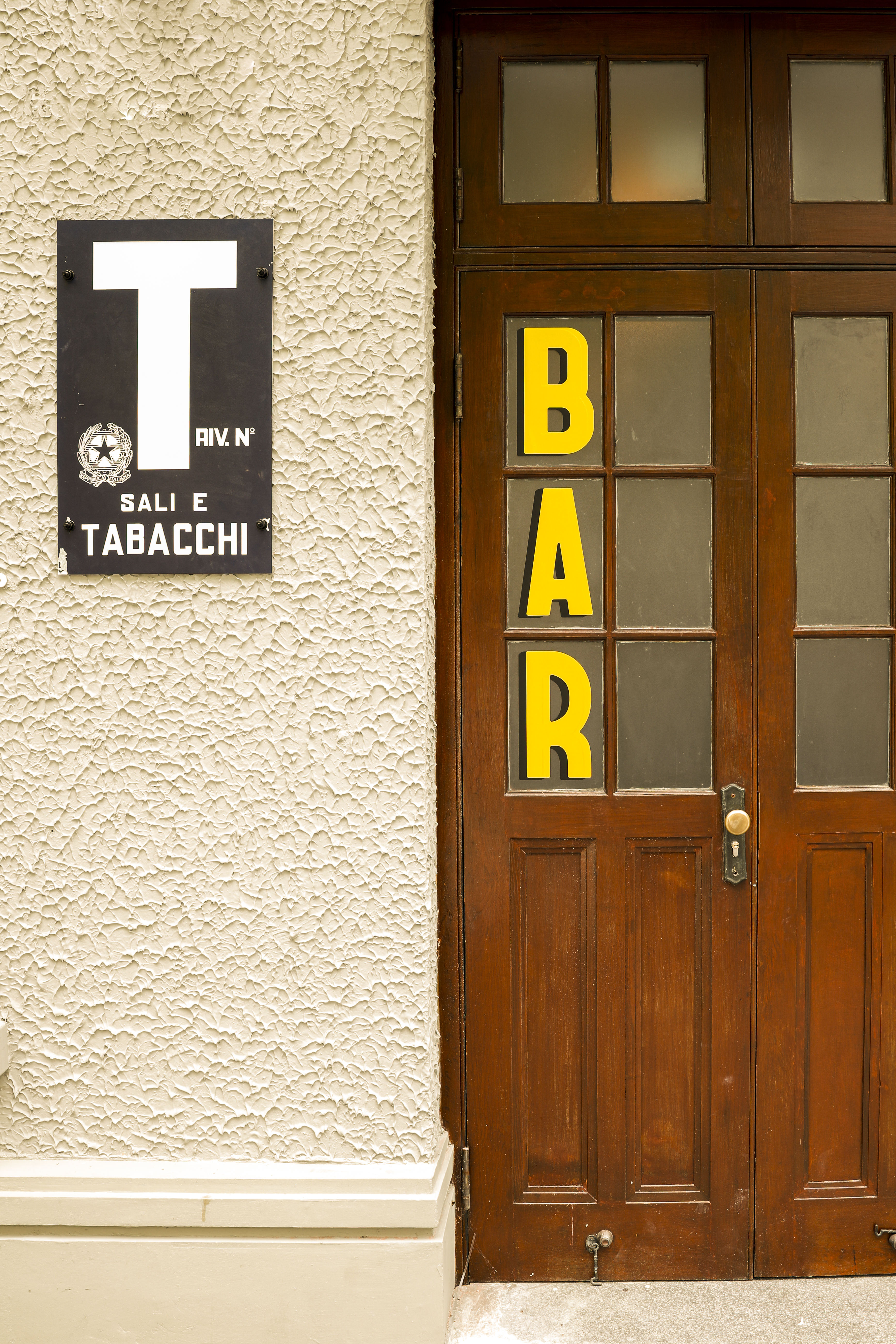
As for what to expect when you walk into Bar Leone SH, “In Shanghai, we have two floors. The ground floor is inspired by Italian sports bars from the ’80s. It’s vibey, and we encourage guests to both stand and sit. In terms of what we’re offering there, on the ground, we’re still serving Leone HK’s signatures, plus a selection of highballs and spritzes. The second floor is more cozy and ‘moodier.’ There, we’ll also be serving Leone HK signatures, but we’ve introduced a section of the menu that celebrates China and its best ingredients. We’ve kicked the opening off with three cocktails infused with black truffles from the Yunnan region.”
As excited as I was that there’s now a Bar Leone in Shanghai—the second base for RADII—I wanted to find out more about why China has such a pull for HK foodies, so I asked Lindsay Jang, co-founder of Yardbird and Always Joy, two must-go restaurants in Hong Kong. “Were you surprised Lorenzo wanted to open up in SH?” I asked. “Not at all—Lorenzo and his team are rockstars, and Shanghai’s dining scene has this incredible energy and sophistication that makes it a perfect match for Bar Leone’s elevated yet approachable concept,” she replied. With her knowing HK’s F&B scene intimately, I asked her directly for her thoughts on the “weekend exodus.” “It’s a natural evolution given the proximity and lower price advantages, but I think it ultimately pushes Hong Kong operators to be more creative and value-driven to retain local loyalty.”

And we’re starting to see that now in Hong Kong. Prices have always fluctuated here, but I’m noticing some pretty competitive pricing for local meals, and more diverse cuisine options; not just the “worldly” mainstream dishes HK has lazily adopted for decades. When I also asked food & travel content creator and consultant Nicole Fung—who goes by THATFOODCRAY!!!—about the exodus, she had the same sentiments as Lindsay. “I get it, I’m guilty of weekend Shenzhen trips myself. China is super affordable, with lots of options, and the experience of having larger spaces makes for unique experiences. That being said, city layouts and those that are walkable really define the vibe of Hong Kong. This isn’t the first or last time that Hong Kong will find a way to reinvent itself. I’ve seen things really change in the last few months, and there’s a certain international energy that’s coming back.”
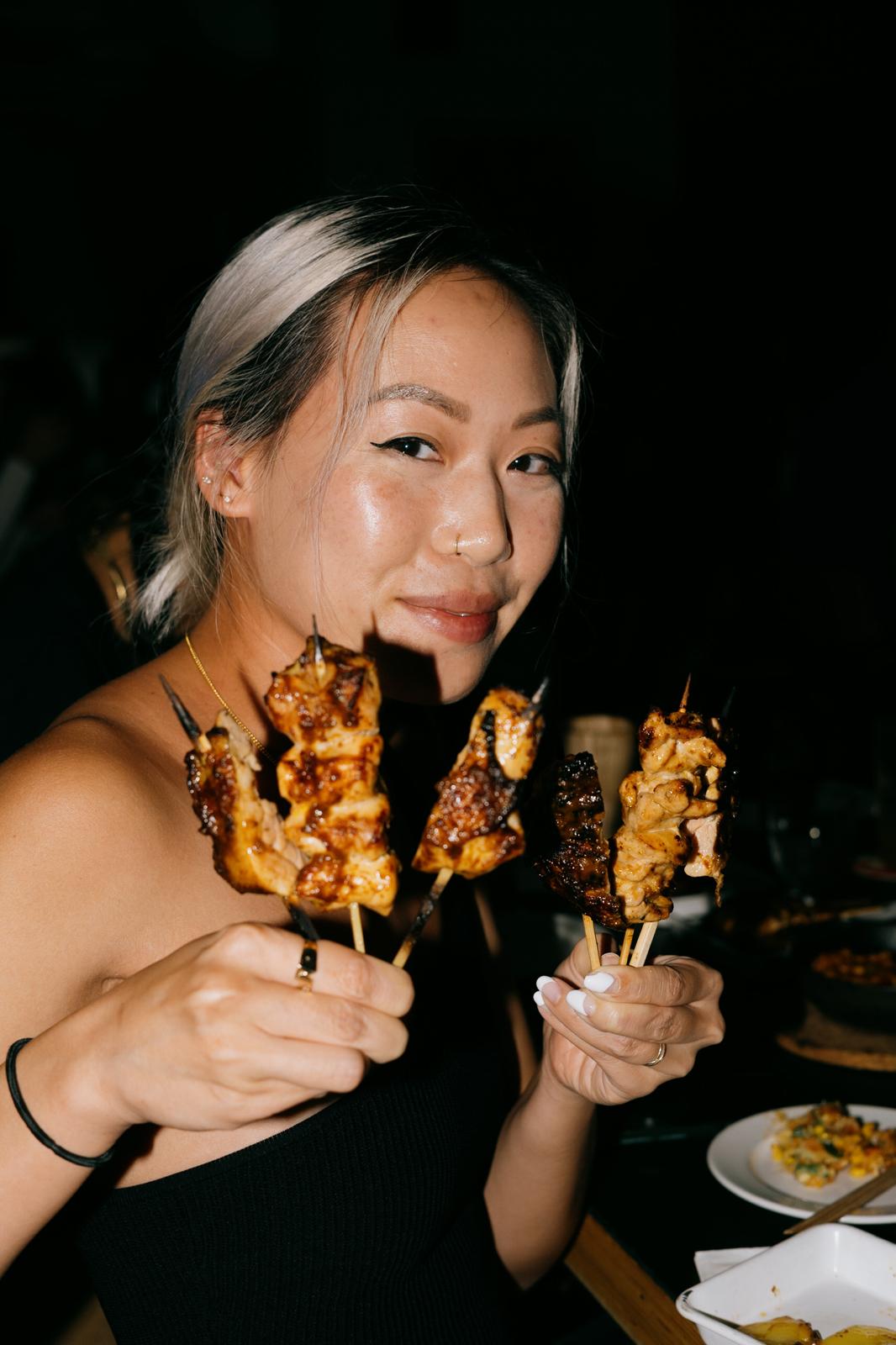
Comforting words for someone eager to continue the never-ending pursuit of gluttonous fulfillment. While I’ve been focusing on Hong Kong as my only “food court,” I failed to account for my neighbors. “I will spend one week a month in Shanghai,” Lorenzo told me when I asked how he’s going to manage the two locations. Not saying I’ll be doing the same, but why not travel a few hours to enjoy Bar Leone’s second floor? Especially in knowing that Hong Kong isn’t going to shrivel up as a food city. I can get just as excited about eating in cities like Shanghai as I can about Hong Kong.
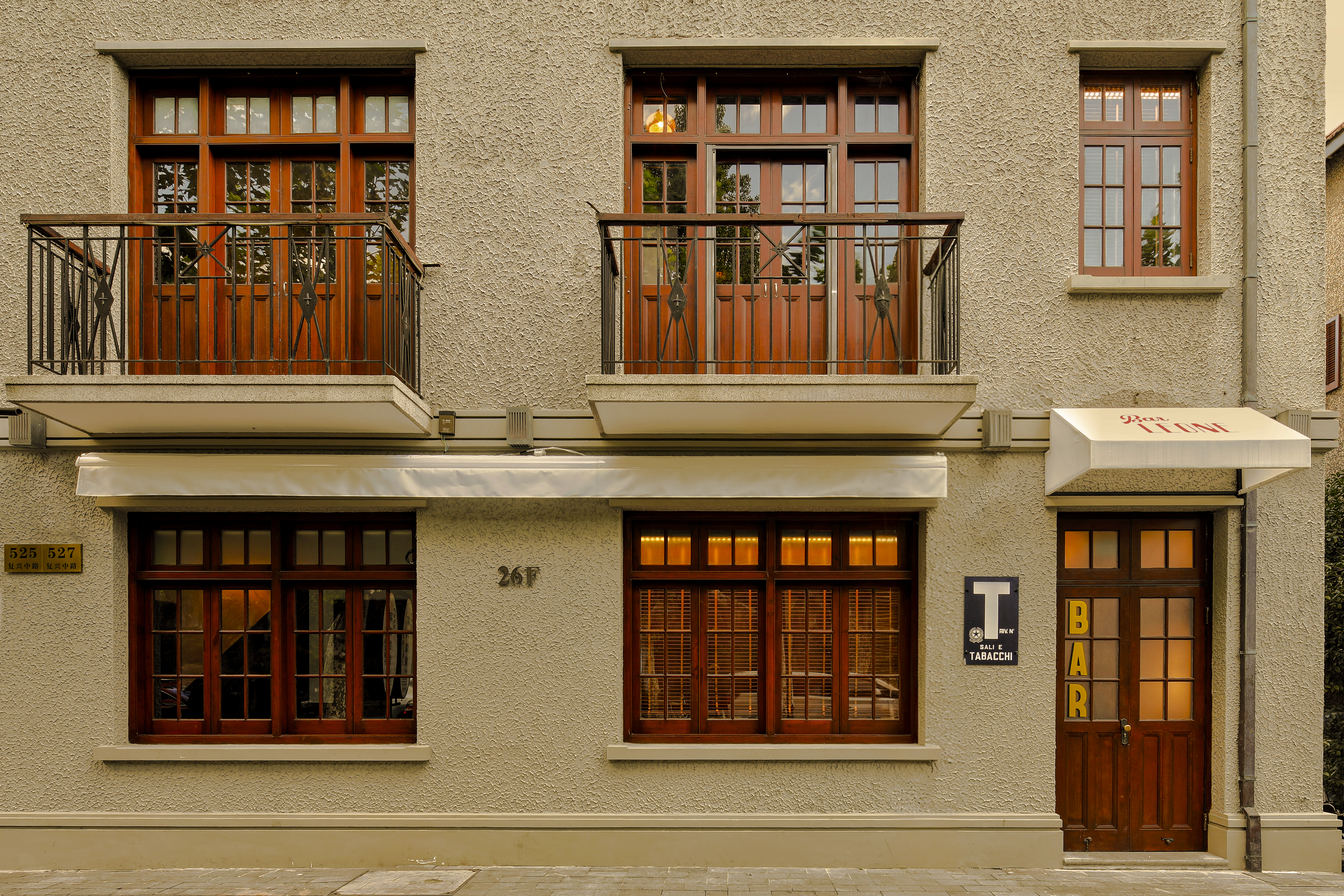
“Shanghai’s F&B scene right now feels like Hong Kong did ten years ago—this exciting mix of international influences, local pride, and genuine innovation that creates endless opportunities for operators who understand both quality and experience,” Lindsay tells me about her own experiences wining and dining in Shanghai. While there’s still a lot of uncertainty around where Hong Kong will be in the next five… ten years, not just in food, but in general, there’s solace in knowing that the city will always have an unmatched uniqueness. It’s as much a pioneer for many things as it is adaptable to surrounding changes. It influences just as much as it evolves from influence.
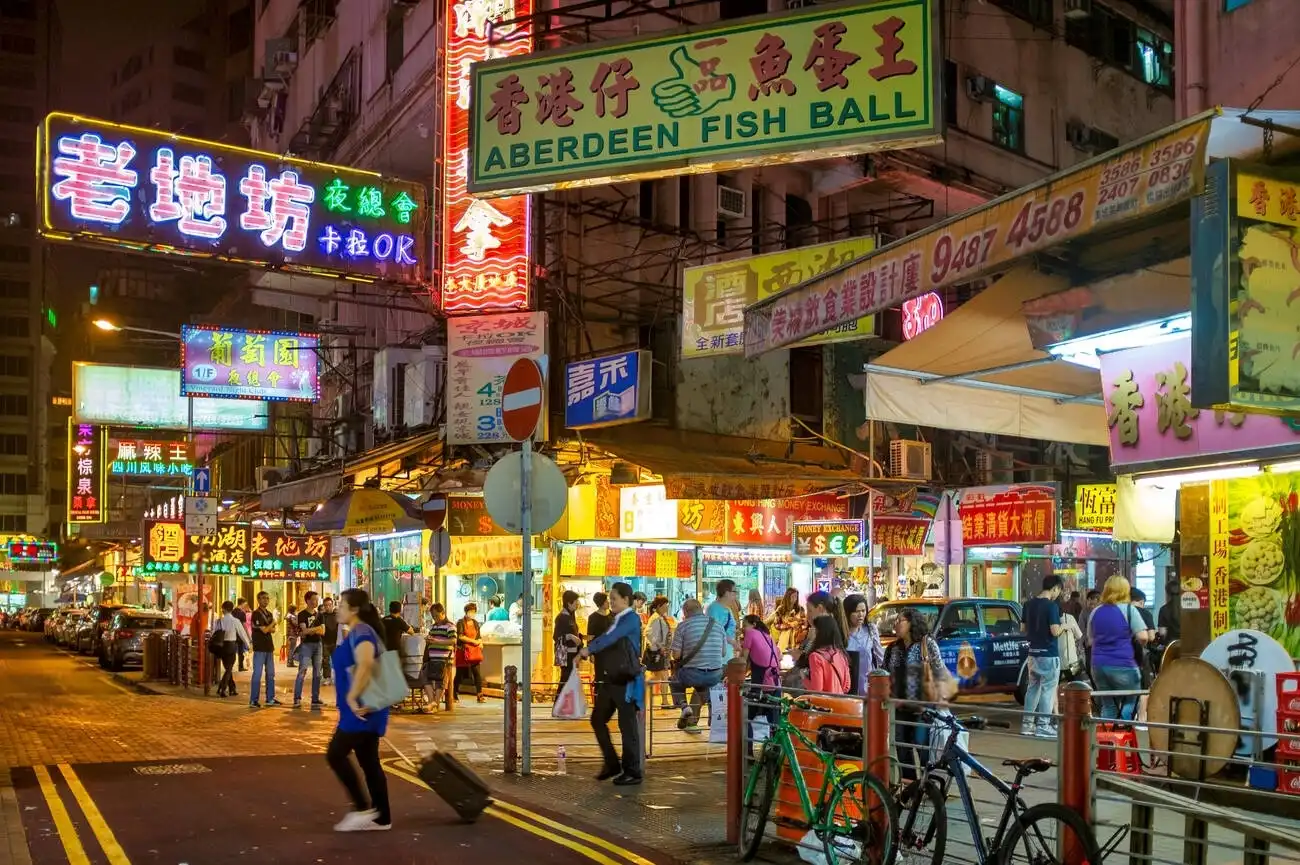
Hong Kong’s food scene, as I now see it, isn’t lost from a bygone “culinary golden era,” but rather, it will have another one, and then another after that. We’re resilient, creative, and we sure as hell love to eat—the latter being the main driving force behind why I get out of bed every morning.
Cover image via Adventure.com